The Agronomy Institute (AI) opened at Orkney College UHI in 2002 and is a market-led Research Centre within the University of the Highlands and Islands (UHI).
Our mission statement is:
To establish an internationally recognised centre for the research, development and promotion of temperate plants and their products which contributes significantly to the sustainable economic, social and environmental well-being of the Highlands and Islands of Scotland.
The Institute provides a
research facility for the development of plants and plant-based products
within UHI focussing particularly on the Highlands, Western Isles and
the Northern Isles and runs major agronomy projects in Northern Scotland. These are in collaboration with a wide range of academic and commercial partners.
The AI has a wide portfolio of research falling into the main categories
below.
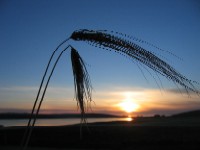
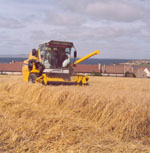
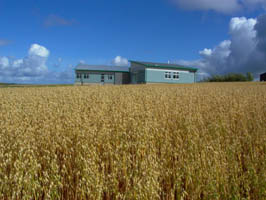
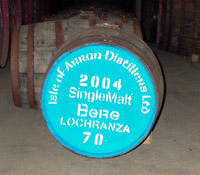
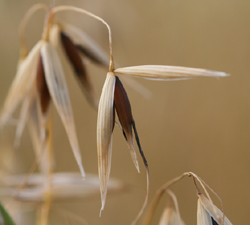
Research is aimed at identifying varieties adapted to northern conditions which can then be used for specialist food and drink markets (e.g. bakery products, whisky and beer). Some of these are modern varieties while others are locally important heritage types like Bere barley and black oats.
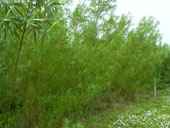
Under this research theme, the AI is mainly investigating woody biomass crops grown to produce wood for heating.
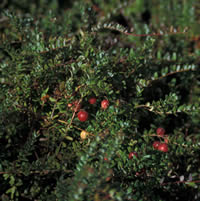
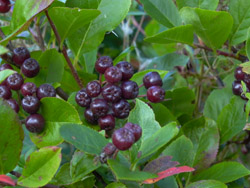
This research is aimed at identifying plant species which produce high quality natural products under the unique growing conditions of the Highlands and Islands. These are mainly for the pharmaceutical or cosmetic market, but there is also a potential overlap with the food and drink industry
The AI is involved in a Northern Periphery Programme (NPP) project aimed at strengthening the market for locally produced horticultural plants by introducing new species or varieties from other northern countries.
The Approach
Crops and plants in the above themes are being developed through the Institute’s own screening programme and through collaborative projects involving growers, end-users and other research organisations. A fundamental part of this work is the development of new markets for these plants and their products.